Serving Farmington, NM and surrounding areas. (505) 910-3304
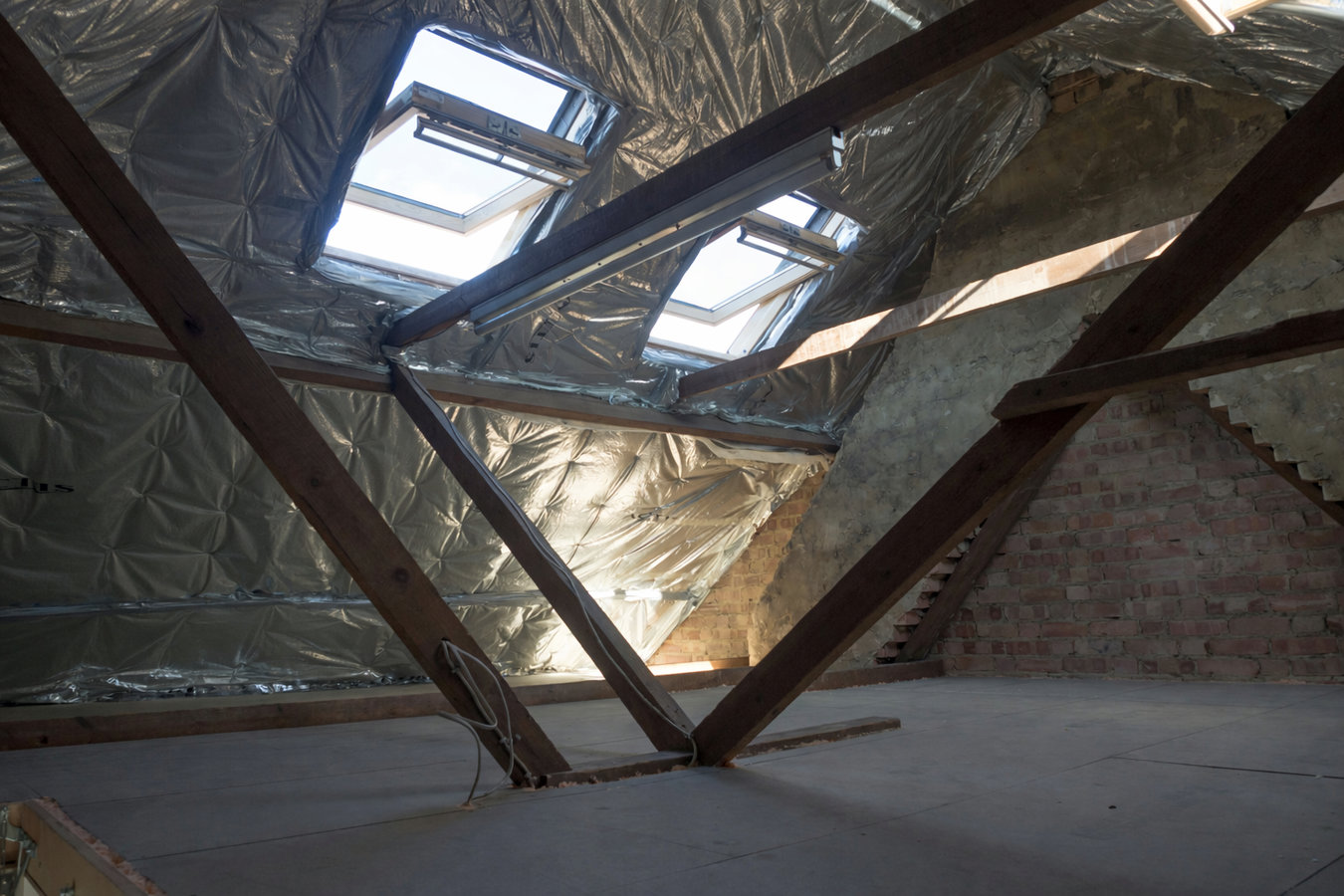
An under-insulated attic is the number one reason Farmington homes overheat in summer and lose heat in winter. We install blown-in and batt insulation to get your attic where it needs to be - and the difference shows up in your utility bills.
Attic insulation in Farmington, NM stops heat from pouring through your ceiling in summer and holds warmth inside during cold winter nights - most jobs are completed in a single day with no disruption to your living areas. The Department of Energy recommends 13 to 15 inches of blown-in material for attics in this climate, but most older Farmington homes have a fraction of that.
The attic is where most homes lose the most energy. In a Farmington summer, an under-insulated attic can reach 150 degrees, pushing heat directly into your living space and forcing your AC to run almost constantly. In winter, the reverse happens - warm air rises and escapes through a thin or absent attic layer while your furnace works overtime.
Attic upgrades pair naturally with attic air sealing, which closes the penetrations around fixtures, pipes, and wall tops that insulation alone cannot address. Many contractors skip this step - we do not.
Farmington summers are long and hot. If your air conditioner runs almost constantly from June through August but your home still feels warm near the ceiling or upstairs, heat is pouring through an under-insulated attic. If bills have crept up year over year without explanation, the attic is the first place to look.
Walk through your home on a hot July afternoon or cold January morning. If the rooms closest to the ceiling feel dramatically different from the rest of the house, the attic is not doing its job. This is one of the most common complaints from Farmington homeowners with aging or insufficient attic insulation.
Look into your attic. If you can clearly see the wooden framing members across the floor, your insulation level is almost certainly too low for Farmington's climate. A properly insulated attic in this region should have the joists buried completely out of sight.
Pest activity is common in Farmington-area homes. Rodents nesting in insulation compress it, contaminate it, and create gaps that let conditioned air escape. If you have had any pest intrusion - even a small one - the damage to insulation is often worse than it looks from the hatch.
We install blown-in cellulose and fiberglass loose-fill, fiberglass attic insulation in batt form, and spray foam on the underside of the roof deck depending on what your attic needs. Blown-in is our most common approach - it fills around joists, pipes, and other obstructions evenly and is fast to install. For attics with consistent joist spacing and good clearance, batts work well. For homes with HVAC equipment in the attic, spray foam on the roof deck turns the attic into a conditioned space, which keeps the equipment in a controlled environment.
Every attic job includes air sealing at the floor - sealing the top plates, electrical penetrations, plumbing stacks, and recessed lights before any insulation goes in. This step is what makes insulation perform the way it should. We also pair attic work with our blown-in insulation service for homeowners who want to address walls and hard-to-reach spaces in the same project.
Best for most attics - fills around obstacles, fast to install, and made from recycled material.
Good for attics where the lightweight material and lower density of fiberglass suits the space.
Suited to open, accessible attics with consistent joist spacing and no major obstructions.
For homes with HVAC equipment in the attic - creates a conditioned, unvented attic assembly.
Performed before insulation goes in - seals penetrations that let conditioned air escape regardless of insulation depth.
When existing material is damaged, contaminated, or pest-affected and needs to come out before new insulation can go in.
A significant share of Farmington's housing was built during the oil and gas boom of the 1950s through the 1980s, when insulation standards were a fraction of what they are today. Many of those homes have never had insulation work done. Whatever was originally installed has had 40 to 70 years to settle, compress, and in some cases be disturbed by pest activity. Farmington's climate makes this especially costly - hot summers that push attic temps past 140 degrees and cold winters with overnight lows well below freezing put constant pressure on a thin attic layer.
Farmington's dry climate does work in one direction: the low humidity means moisture-related insulation damage - like mold in wet fiberglass - is far less common here than in wetter parts of the country. But the region's occasional monsoon rains can introduce moisture through roof penetrations, and pest intrusion is a real issue in the Four Corners area.
We work across the full region, including homeowners in Aztec and Bloomfield, where the housing stock and climate conditions closely match what we see throughout Farmington.
We respond within 1 business day. You will speak with someone who asks a few basic questions about your home - its age, any comfort or billing issues you have noticed - so we arrive prepared, not guessing.
We spend time in your attic measuring existing depth, checking for air leaks, looking for moisture or pest damage, and identifying the right material for your situation. You receive a written estimate before any work is scheduled.
Before any new material goes in, we seal penetrations around fixtures, plumbing, and wall tops. This step stops conditioned air from bypassing even thick insulation, and it is what separates a real upgrade from just adding more material on top.
We install to the target depth - typically 13 to 15 inches for Farmington attics - verify coverage at multiple points, and walk you through the finished attic before we leave. No guessing, no taking our word for it.
We respond within 1 business day - no pressure, no obligation. Submit your information and we will call to schedule a free on-site estimate at a time that works for you.
(505) 910-3304Our experienced crews document every attic job and coordinate any permits your project needs. Ask for a written scope and a final walk-through before signing anything with any contractor.
Air sealing the attic floor before insulation goes in is the step that makes insulation perform the way it should. Many contractors skip it or charge extra. We include it in every attic insulation project because it is the right way to do the job.
Most attic insulation projects in Farmington are finished in a single day. Your living areas are not disrupted. The insulation is effective immediately - no curing time, no drying period. You do not need to leave the house or rearrange your schedule.
We leave you with written documentation of what was installed - material type, coverage depth, and date. This is useful if you apply for a Farmington Electric utility rebate or sell the home - buyers and their inspectors look at attic insulation.
A contractor who includes air sealing, shows you the finished attic, and leaves you with documentation is the standard you should expect. Contact us to schedule your free estimate.
The U.S. Department of Energy publishes recommended R-values by climate zone and the North American Insulation Manufacturers Association offers detailed guidance on insulation types and installation standards. For project-specific questions, call us directly.
Loose-fill cellulose or fiberglass blown into attics, existing walls, and hard-to-reach spaces - no demolition required and effective the same day it is installed.
Learn moreSealing the penetrations and gaps in your attic floor before insulation goes in - the step that determines how much of that insulation's potential you actually capture.
Learn moreEvery month with a thin attic is a month you are paying more to heat and cool your home than you should be. Schedule your free on-site estimate this week and get a clear picture of where you stand.