Serving Farmington, NM and surrounding areas. (505) 910-3304
Farmington Insulation serves Silverton, CO with closed-cell foam insulation, attic insulation, and air sealing for mining-era homes throughout the San Juan Mountains. We drive the Million Dollar Highway to reach Silverton homeowners and have been making that trip since 2018.
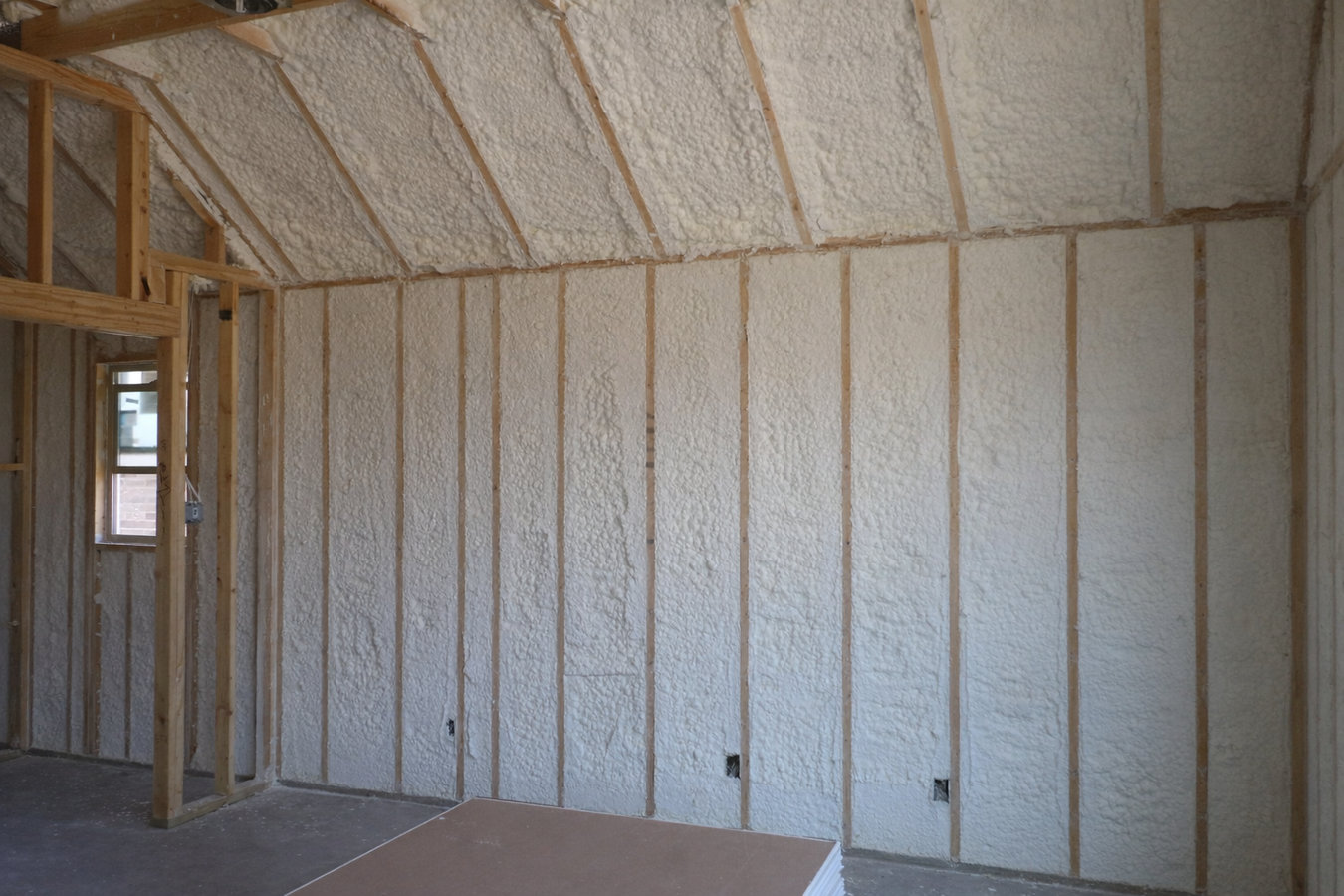
At over 9,300 feet elevation, Silverton winters are among the harshest in Colorado, and closed-cell foam is the highest-R-value insulation option available for the square footage. It bonds directly to old wood framing, seals air leaks in the same step it insulates, and resists moisture - which matters in a town where snow can accumulate on a roof for months. See our full process on the closed-cell foam insulation page.
Mining-era homes in Silverton were built with steep gabled roofs designed to shed snow, not to hold heat. Most original attic spaces have little or no insulation by modern standards, which means heat climbs straight through the ceiling and warms the roof deck above - accelerating the ice dam cycle. Adding attic insulation is the single most cost-effective improvement available for most Silverton homeowners dealing with high winter heating costs.
Over a century of freeze-thaw cycles at high altitude opens up gaps in the framing, siding, and foundation of Silverton's older homes that insulation alone cannot fix. Air sealing the ceiling plane before adding attic insulation stops the stack effect - the chimney-like draw of cold air up through a home - and keeps conditioned air from escaping through the top of the building all winter.
Rim joists, band joists, and the perimeter where floor framing meets the foundation wall are among the coldest spots in any Silverton home in winter. Open or closed-cell spray foam expands into these irregular spaces and creates a continuous thermal barrier that stops cold from working up through the floor - a problem that any Silverton resident who has walked on cold floors in January knows well.
Silverton homes that sit empty over winter are particularly vulnerable to frozen pipes and moisture damage that builds up unnoticed until the owner returns in spring. Insulating and encapsulating the crawl space keeps temperatures above freezing in that zone even during the coldest mountain nights, protecting the plumbing and subfloor from the damage that comes with a season of neglect.
In homes where attic space is tight and access is difficult - which describes many of Silverton's steep-roofed mining-era houses - targeted attic air sealing around penetrations, top plates, and the attic hatch itself often delivers bigger returns than adding more insulation depth alone. Stopping the air movement first lets the existing insulation perform at its rated value instead of being undermined by air washing.
Silverton sits at 9,318 feet above sea level in a mountain valley in San Juan County - one of the highest incorporated towns in Colorado and one of the most demanding environments any home can occupy. Average snowfall tops 100 inches per year, and temperatures regularly drop well below zero from November through March. That is not the kind of winter that a home with minimal original insulation handles gracefully. The majority of Silverton's residential housing stock dates to the late 1800s and early 1900s, built during the silver mining boom with wood framing and materials that were practical for a rapidly growing town, not for energy efficiency over a century of mountain winters. Most of those homes have had little or no insulation added since they were built, which means the walls and attics are letting heat escape at a rate that shows up clearly on every winter utility bill.
The freeze-thaw cycle at this altitude is relentless. Temperatures can cross the freezing point multiple times in a single day during fall and spring, and that repeated expansion and contraction of moisture in building materials has been working on Silverton's older homes for well over 100 years. Gaps open in foundations, around window frames, and where framing members meet over time - and those gaps become air leakage pathways that make any insulation already present perform below its rated value. Ice dams are a direct result of this combination: heat escaping through an under-insulated attic warms the snow above, the melt water runs to the cold eaves, and refreezes there. The dam backs water under shingles and into the ceiling. Silverton gets enough snow and cold that homes without proper attic insulation and air sealing deal with this cycle nearly every winter. Addressing it requires someone familiar with high-altitude mountain construction, not a contractor working from a standard residential playbook.
Our crew has been driving up the Million Dollar Highway on US 550 to serve Silverton since 2018, and we are familiar with the access and scheduling realities that come with a town that can be cut off by avalanche conditions in winter. We plan jobs in advance with that in mind, confirm road status before departure, and communicate clearly if conditions change the schedule. The homes we work on most often in Silverton are wood-frame Victorian and vernacular mining-era structures on small grid lots near the historic downtown - buildings where old framing, tight lot spacing, and limited staging room are just part of the job.
Silverton is defined by its connection to the past. The Silverton Historic District preserves the look of a Colorado silver-mining town from the 1880s, and many of the homes we service fall within or adjacent to that district. The Durango and Silverton Narrow Gauge Railroad brings thousands of visitors up from Durango each summer, which means a meaningful share of Silverton properties are vacation rentals or second homes - seasonal occupancy patterns that make proper insulation and crawl space protection especially important when no one is on-site to catch a problem early.
We also regularly serve homeowners in Pagosa Springs and in Durango, both of which are accessible from Silverton via US 550. If you have family or neighbors in either of those areas who need insulation work, we can often schedule multiple stops on the same trip.
Reach us by phone or through the contact form and tell us what you are seeing - high bills, ice dams, cold floors, or a home that was never properly insulated. We respond within one business day and will coordinate a site visit time that accounts for the drive up US 550.
One of our crew members walks the home - attic, crawl space, rim joists, and any obvious problem areas - and gives you a written, itemized estimate at no charge. We explain exactly what we recommend and why, so you can make the decision that fits your budget and your home.
Most Silverton jobs are completed in one to two days. You do not need to be present for attic or crawl space work, but we ask that someone is reachable by phone if a question comes up. We protect your floors and living space during access and clean up fully before we leave.
Before we leave, we walk the completed work with you so you can see exactly what was done. If you have questions in the weeks following - especially after the first real cold snap - call us and we will follow up. For seasonal homes, we can coordinate end-of-season check-ins by phone.
We serve Silverton homeowners year-round. Free written estimates, no commitment required. Call us or fill out the form and we will get back to you within one business day.
(505) 910-3304Silverton is a small incorporated town of fewer than 700 permanent residents deep in the San Juan Mountains of southwestern Colorado, in San Juan County. The town was established in the 1870s during Colorado's silver mining boom, and much of the original downtown and surrounding residential blocks remain largely unchanged - preserved as a National Historic Landmark District. The housing stock reflects that history: most homes are two-story wood-frame structures from the late 1800s and early 1900s, on small grid lots, with steep gabled roofs built to handle mountain snow loads. The Durango and Silverton Narrow Gauge Railroad, which has connected this valley to Durango since 1882, remains the town's most recognized landmark and draws significant summer tourism.
Beyond the permanent residents, a notable share of Silverton's housing is occupied seasonally by second-home owners and vacation rental operators who come up in summer and close the property for winter. That pattern creates a distinct set of property maintenance challenges: homes that sit empty for months at temperatures well below zero need insulation and air sealing that can protect the structure without anyone on-site to catch a problem early. We work with both full-time residents and seasonal property owners throughout the area, and we are familiar with the needs of both. Homeowners coming to us from Pagosa Springs or looking for service across the region will find the same crew and the same standards on every job.
High-performance spray foam that air-seals and insulates in one application.
Learn moreKeep heat in during winter and out during summer with proper attic insulation.
Learn moreLoose-fill insulation that quickly fills cavities for consistent coverage.
Learn moreSeal air leaks to eliminate drafts and lower heating and cooling costs.
Learn moreInsulate basement walls and rim joists to reduce heat loss and moisture.
Learn moreDense, moisture-resistant closed-cell foam for maximum R-value per inch.
Learn moreFlexible open-cell foam ideal for interior walls and sound dampening.
Learn moreCommercial-grade insulation for offices, warehouses, and industrial spaces.
Learn moreHeavy-duty vapor barriers to control moisture and protect your crawl space.
Learn moreProfessional vapor barrier installation to prevent mold and moisture damage.
Learn moreAdd insulation to existing homes without major renovations or disruption.
Learn moreServing these cities and communities.
Call Farmington Insulation for a free estimate on closed-cell foam, attic insulation, or air sealing. We make the drive and we stand behind our work.